Discover Passion and Tradition in Every Glass
- annabelletravaglio
- Mar 29
- 5 min read
In a world where mass production often overshadows craftsmanship, there exists a realm where passion and tradition intertwine to create something truly special. This is the world of artisanal beverages, where every sip tells a story, and every glass is a testament to the dedication of those who craft it. Whether it’s a finely aged whiskey, a handcrafted beer, or a meticulously brewed tea, the essence of tradition and passion is evident in every drop.
The Art of Craftsmanship
Craftsmanship is at the heart of every artisanal beverage. It involves not just skill but also a deep understanding of the ingredients and processes involved. Here are some key aspects that define craftsmanship in beverage production:
Quality Ingredients
The foundation of any great beverage starts with high-quality ingredients. Artisans often source their ingredients locally, ensuring freshness and supporting local economies. For example, a craft brewery may use hops from nearby farms, while a distillery might select grains grown in the region. This not only enhances the flavor but also connects the drinker to the land.
Traditional Methods
Many artisans adhere to traditional methods passed down through generations. These methods often require more time and effort but result in a product that is rich in flavor and character. For instance, some distilleries still use pot stills, which allow for a slower distillation process, capturing the essence of the ingredients more effectively than modern methods.
Attention to Detail
Every step in the production process is crucial. From fermentation to aging, artisans pay close attention to detail. A small change in temperature or timing can significantly impact the final product. This meticulous approach ensures that each batch maintains the highest standards of quality.
The Journey of Craft Beverages
Understanding the journey of craft beverages can deepen your appreciation for what’s in your glass. Here’s a closer look at how some popular artisanal drinks are made:
Craft Beer
Craft beer has exploded in popularity over the past decade. The process begins with selecting the right grains, hops, and yeast. Brewers often experiment with different combinations to create unique flavors. After brewing, the beer is fermented, conditioned, and finally packaged. Many craft breweries offer tours, allowing visitors to see the brewing process firsthand and taste fresh beer right from the source.
Artisanal Whiskey
The production of artisanal whiskey is a labor of love. It starts with mashing grains, followed by fermentation and distillation. The whiskey is then aged in wooden barrels, where it develops its complex flavors. Each distillery has its own secret recipe and aging process, making every whiskey unique. Tasting events often highlight the nuances between different brands and styles.
Handcrafted Tea
Tea is another beverage steeped in tradition. Artisanal tea producers often hand-pick leaves at the perfect time, ensuring optimal flavor. The leaves are then processed using traditional methods, such as withering, rolling, and oxidizing. Each type of tea, whether green, black, or oolong, has its own specific processing requirements that affect the final taste.

The Cultural Significance of Beverages
Beverages are not just about taste; they also carry cultural significance. Different regions have their own traditional drinks that reflect their history and values. Here are a few examples:
Wine in France
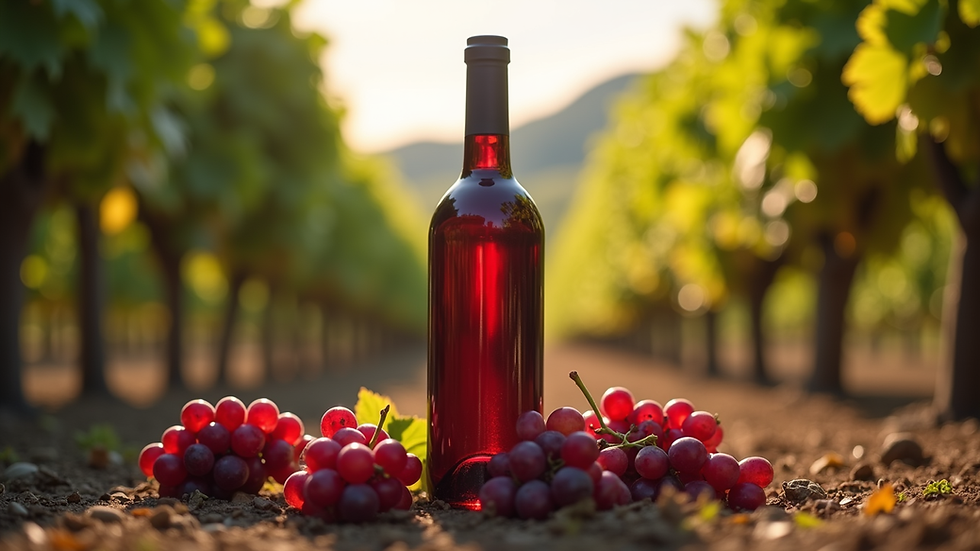
In France, wine is more than just a drink; it’s a part of the culture. Each region has its own unique varietals and production methods. The French take pride in their terroir, the concept that the environment where the grapes are grown influences the wine's flavor. Wine tasting in regions like Bordeaux or Burgundy is a ritual that celebrates this connection.
Sake in Japan
Sake, or rice wine, is deeply rooted in Japanese culture. The brewing process is intricate and requires precision. Sake is often enjoyed during special occasions and ceremonies, symbolizing purity and celebration. The craftsmanship involved in sake production is respected and celebrated, with many breweries offering tours and tastings.
Tea in China
China’s tea culture is one of the oldest in the world. Different regions produce various types of tea, each with its own unique characteristics. The traditional tea ceremony emphasizes the importance of mindfulness and appreciation for the beverage. This cultural practice highlights the connection between the drinker and the drink.
The Rise of Craft Beverages
In recent years, there has been a resurgence in the popularity of craft beverages. Consumers are increasingly seeking out products that are authentic and made with care. Here are some reasons behind this trend:
A Desire for Authenticity
Today’s consumers are more informed and discerning. They want to know where their food and drinks come from and how they are made. This desire for authenticity has led to a growing interest in artisanal products. People are willing to pay a premium for beverages that reflect quality and craftsmanship.
Supporting Local Economies
Many consumers are also motivated by a desire to support local businesses. By choosing craft beverages, they contribute to the local economy and help sustain traditional practices. This sense of community is a significant factor in the rise of artisanal drinks.
The Experience Factor
Craft beverages often come with a unique experience. Many breweries, distilleries, and tea houses offer tastings, tours, and events that allow consumers to engage with the product on a deeper level. This experiential aspect enhances the enjoyment of the beverage and creates lasting memories.
Pairing Craft Beverages with Food
One of the joys of artisanal beverages is their ability to complement food. Here are some tips for pairing craft beverages with meals:
Beer Pairings
IPAs: Pair well with spicy foods, as the bitterness can balance out the heat.
Stouts: Complement rich desserts like chocolate cake or brownies.
Wheat Beers: Go nicely with light salads and seafood dishes.
Whiskey Pairings
Bourbon: Pairs well with grilled meats and barbecue.
Scotch: Complements smoked foods and strong cheeses.
Rye: Works well with spicy dishes and savory snacks.
Tea Pairings
Green Tea: Pairs nicely with sushi and light appetizers.
Black Tea: Complements hearty meals and rich desserts.
Herbal Tea: Works well with a variety of dishes, especially those with aromatic spices.
The Future of Craft Beverages
As the craft beverage movement continues to grow, it’s essential to consider its future. Here are some trends to watch:
Sustainability
Many artisans are focusing on sustainable practices, from sourcing ingredients to packaging. This commitment to the environment resonates with consumers who prioritize eco-friendly choices.
Innovation
While tradition is vital, innovation is also key. Many artisans are experimenting with new flavors and techniques, pushing the boundaries of what craft beverages can be. This creativity keeps the industry exciting and fresh.
Global Influence
As craft beverages gain popularity worldwide, there is an increasing exchange of ideas and techniques across cultures. This globalization enriches the craft beverage landscape, leading to unique fusions and collaborations.
Conclusion
Every glass of artisanal beverage is a celebration of passion and tradition. From the careful selection of ingredients to the meticulous crafting processes, these drinks tell stories that connect us to the land and the people who produce them. As you explore the world of craft beverages, remember to savor not just the flavors but also the rich histories and cultures behind them. The next time you raise a glass, take a moment to appreciate the journey that brought it to you. Cheers to discovering passion and tradition in every sip!
Comments